

Blog
The Ultimate Eames Lounge Chair Maintenance Guide Preserving an Icon

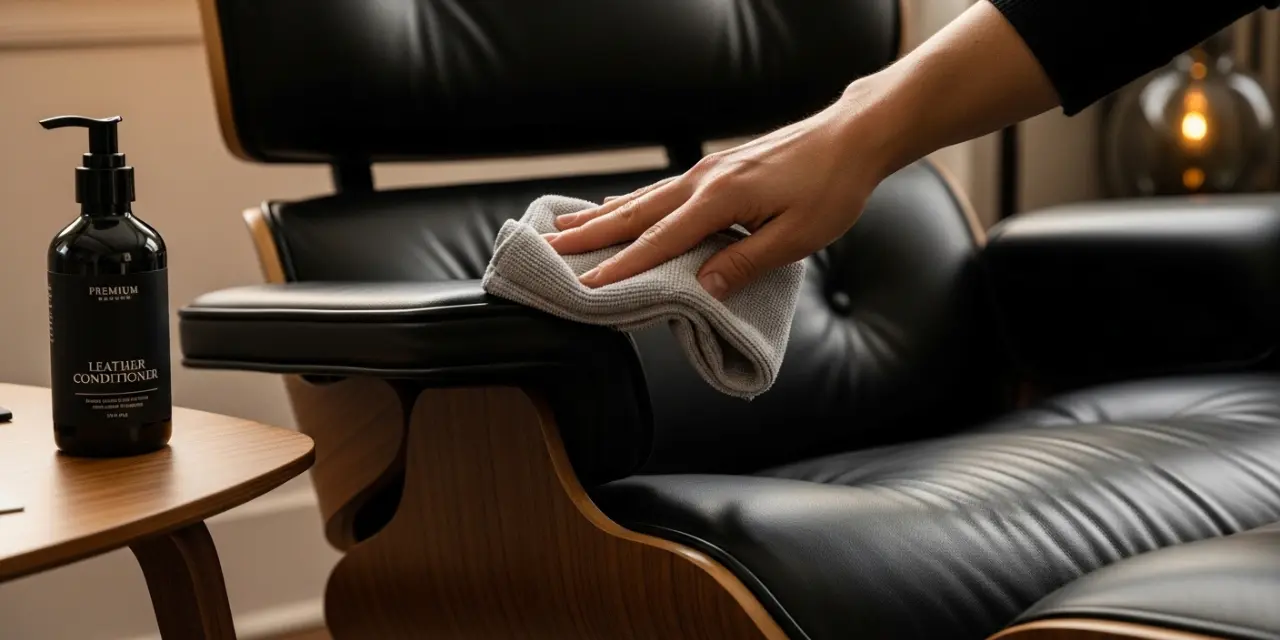
Whether you own an original or a Premium Eames Lounge Chair Replica these pieces are designed to be "heirlooms." However, because they are made from natural materials like top-grain leather and real wood veneers, they require specific care to stay in peak condition.
A well-maintained vintage eames lounge chair only looks better with age, developing a unique character and patina. In this guide, we will walk you through the professional techniques for cleaning, conditioning, and protecting your chair.
Mastering Aniline Leather Care
Most high-end Eames chairs use Aniline leather because of its soft, breathable nature. Unlike cheaper plastic-coated leathers, Aniline is porous and requires a gentle touch.
- Daily Dusting: Use a soft, dry microfiber cloth to remove dust. Dust particles can act like sandpaper on leather if left to accumulate.
- Deep Cleaning: If you spill something, blot (do not rub) immediately. Use a specialized aniline-safe cleaner. Avoid harsh detergents or "baby wipes," which contain chemicals that can strip the natural oils from the leather.
- Conditioning: Every 6–12 months, apply a high-quality leather conditioner. This prevents the leather from drying out and cracking—a common issue in homes with central heating.
How to Identify Structural Wear in a Vintage Eames Lounge Chair
Owning a vintage eames lounge chair means staying ahead of structural fatigue. Unlike modern furniture, these chairs rely on a unique "sandwich" of plywood and rubber. Over time, the rubber shock mounts can dry out and become brittle.
If you notice your chair leaning too far back or making a "clicking" sound when you shift your weight, your mounts may be failing. For owners of our Premium Eames Replica Collection, we use reinforced vulcanized rubber to prevent this vintage issue, but for older models, you must inspect these mounts every six months to avoid cracking the expensive wood shells.
Protecting the Wood Veneers (Walnut, Rosewood, and Ash)
The wood shells are the skeletal strength of your chair. Whether you chose the XL Rosewood Eames Style Chair or a classic Walnut finish, the wood needs protection from environmental factors.
- Sun Protection: Direct sunlight is the enemy of wood and leather. UV rays can "bleach" the wood grain and dry out the adhesive between the plywood layers. Position your chair away from large, south-facing windows.
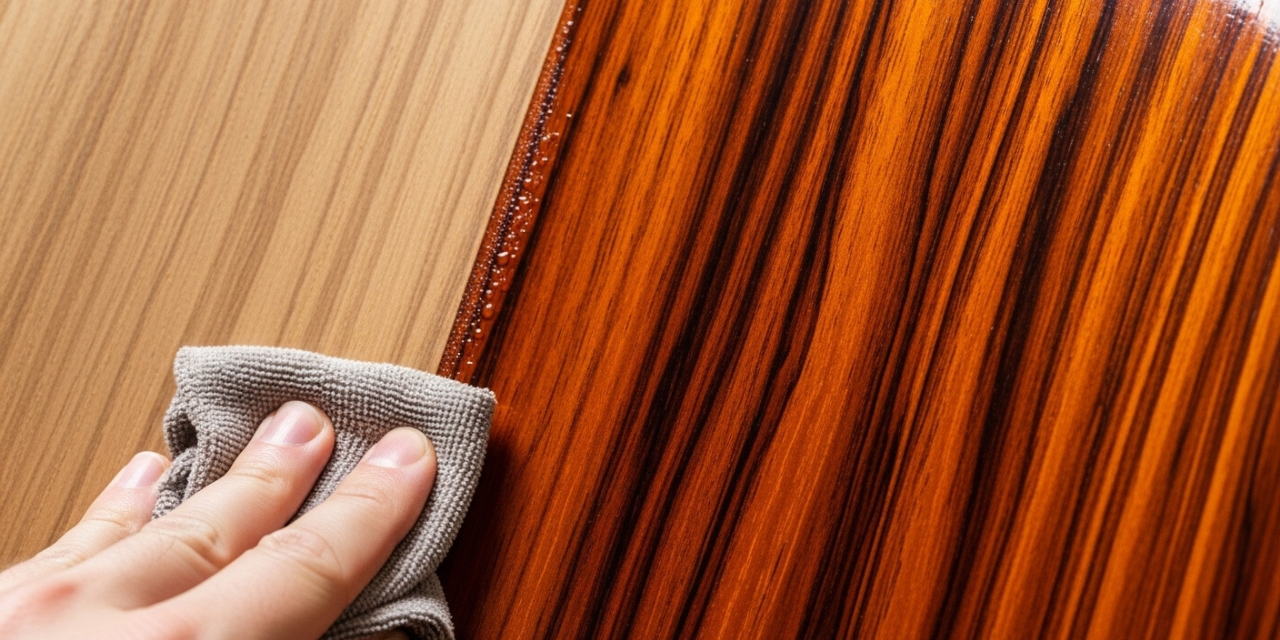
- Polishing: Use a high-quality furniture wax or oil (like lemon oil) once a year. This keeps the veneer hydrated and emphasizes the deep, rich grain patterns of the Rosewood or Walnut.
Technical Check: Shock Mounts and Screws
The "flex" of an Eames chair comes from its rubber shock mounts. These are the most critical components for safety and comfort.
The Flexibility Test: Gently rock the backrest. If you hear a "cracking" sound or feel excessive wobbling, the mounts may be drying out.
Tightening: Periodically check the bolts on the base. A loose base can cause the chair to lean unevenly, putting unnecessary stress on the die-cast aluminum frame.
Seasonal Adjustments for UK Homes
In the UK, our homes go through extreme humidity changes—from damp winters to dry, centrally-heated summers. This is a silent killer for a vintage eames lounge chair.
Winter Care: Central heating strips moisture from the air, which can cause the 8-ply Rosewood or Walnut veneers to shrink and potentially delaminate. We recommend using a humidifier in the room to keep moisture levels around 40% to 50%.
Summer Protection: Even though the UK isn't known for scorching sun, UV rays through glass can still "bleach" the natural grain of your XL Walnut Eames Chair. Always use UV-filtering blinds or position the chair away from direct window paths.
Frequently Asked Questions (FAQs)
For light scratches, a furniture touch-up marker or a bit of specialized wax can hide the mark. For deeper scratches, consult a professional furniture restorer to avoid damaging the 8-ply veneer.
No. Food oils can go rancid and clog the pores of the aniline leather, leading to discoloration and a strange odor. Always use pH-balanced leather care products.
Yes We Are Selling Other Chairs Also You Can Visit Our Website House Of Furnishes